Car Key Replacement by Make and Model — Why One Size Never Fits All
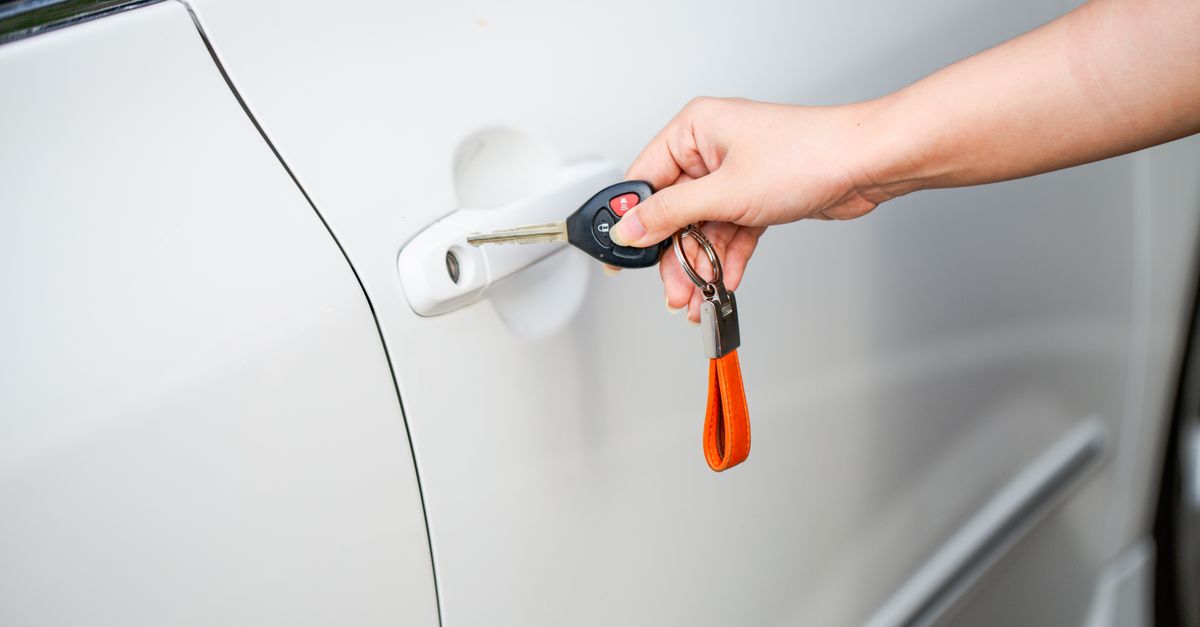
A replacement key for a 2018 Honda Civic is a fundamentally different job from one for a 2021 Ford F-150 or a 2016 BMW 3 Series. Each manufacturer uses its own transponder frequency, key profile, and immobilizer protocol. Honda and Toyota vehicles built after roughly 2000 typically use chip keys that must be cloned or coded to the car's ECU. Ford has used PATS (Passive Anti-Theft System) technology across its lineup for decades, requiring a two-key relearn sequence or an OBD-II programming session. German makes — BMW, Mercedes-Benz, Volkswagen, Audi — often use proximity or smart keys with rolling security codes that demand dealer-level diagnostic equipment to sync. GM vehicles from Chevrolet, Buick, and GMC frequently use the VATS or PassLock systems, which add another layer to the programming workflow. Our technicians are trained across all of these platforms and carry multi-brand programming hardware in the service vehicle so the work gets done at your location.
Luxury and newer model vehicles — think Lexus, Infiniti, Cadillac, or late-model Ram trucks — often use high-security laser-cut (also called sidewinder) keys combined with advanced push-to-start fobs. These take longer to cut because the key blade has cuts on both sides and requires a specialized clamp and blade set. Programming adds additional time and, in some cases, requires access to the OBD-II port and a PIN code pulled from the vehicle's data. The factors that shape the final cost of any car key replacement include the vehicle's make, model, and year; the type of key technology involved; the time of day you call (our 24/7 availability means technicians are on the road at 2 a.m. as readily as 2 p.m.); travel distance to your location; and any parts — blades, fob shells, transponder chips — needed to complete the job. We tell you the full amount before we begin.