Why Keys Snap — and Why the Cylinder Matters
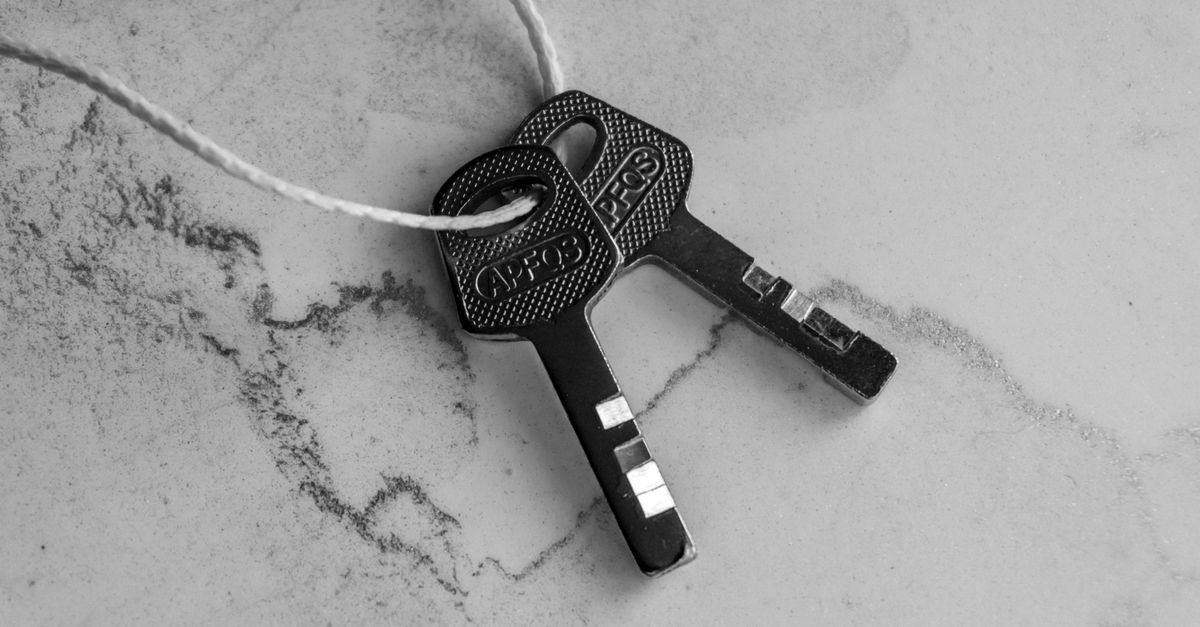
Keys fail for predictable reasons: metal fatigue from years of daily use, a slightly bent shank that was never straightened, a corroded or misaligned cylinder that added resistance on every turn, or simple bad luck at a moment of extra torque. Residential deadbolts and door knob locks are common culprits, but some of the trickiest extractions we handle involve commercial mortise lock cylinders. A mortise lock is recessed directly into the door edge, and its cylinder sits in a tight pocket — meaning a snapped key has nowhere to go except deeper. Attempting to pull it with household tools like tweezers or a bobby pin often compresses the wafers against the fragment, locking it more firmly in place. The geometry of the cylinder is working against you, not with you.
Understanding which lock type you're dealing with is the first thing our technicians assess on arrival. A standard pin-tumbler deadbolt, a rim cylinder on a gate, a European profile cylinder on a newer multi-point door, or a heavy-duty commercial mortise lock each require a different extraction approach and different tooling. That assessment also shapes the honest, upfront quote we provide before touching anything — because the lock type, time of day, and any parts needed (if the cylinder must be replaced rather than saved) all factor into the final price.