
What a Mortise Lock Actually Is — and Why Commercial Doors Depend on One
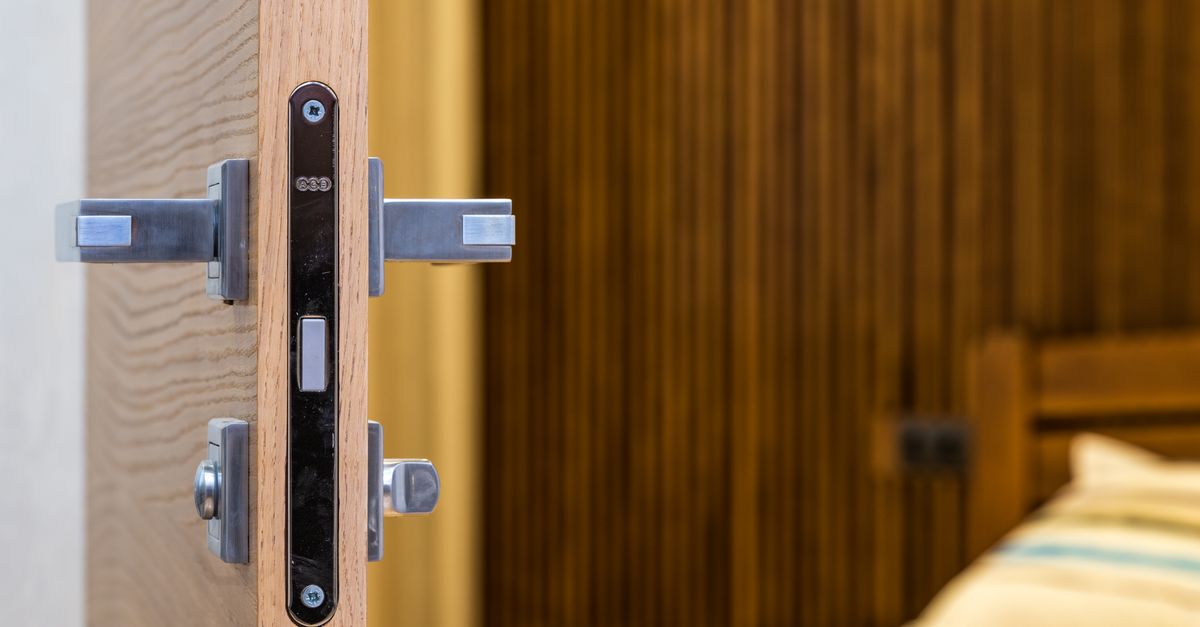
A mortise lock differs fundamentally from a cylindrical bored lock. The entire operating mechanism — latch bolt, deadbolt, strike engagement, lever or knob trim, and cylinder housing — lives inside a steel case that sits flush within the door stile. This internal mounting distributes kick and torque forces across the full door edge rather than concentrating stress at a single point, which is why building codes and commercial security standards routinely call for mortise lock sets on primary entry doors. Brands like Corbin Russwin and Baldwin manufacture heavy-duty mortise lock sets that are built to ANSI/BHMA Grade 1 performance standards, meaning they're rated for millions of cycles under full load. When you're evaluating what is a mortise lock and whether your building actually has one, look at the door edge: if you see a faceplate that's taller than it is wide — typically 7–8 inches — with both a latch and deadbolt projecting from it, you're looking at a mortise unit.
Beyond the mechanical basics, the mortise format accommodates add-on technologies that purely cylindrical locks cannot. A mortise lock cylinder can be swapped for a high-security or restricted-keyway cylinder without replacing the entire body. Certain models accept electric mortise lock conversion kits that tie the deadbolt or latch to an access-control relay — useful for Newark office buildings that need card-reader entry without re-framing the door. Some newer assemblies even incorporate a smart mortise lock module, allowing credential management via app or building management system while retaining full manual key override. Understanding the platform is step one; diagnosing exactly which component has failed is what our technicians do on-site.