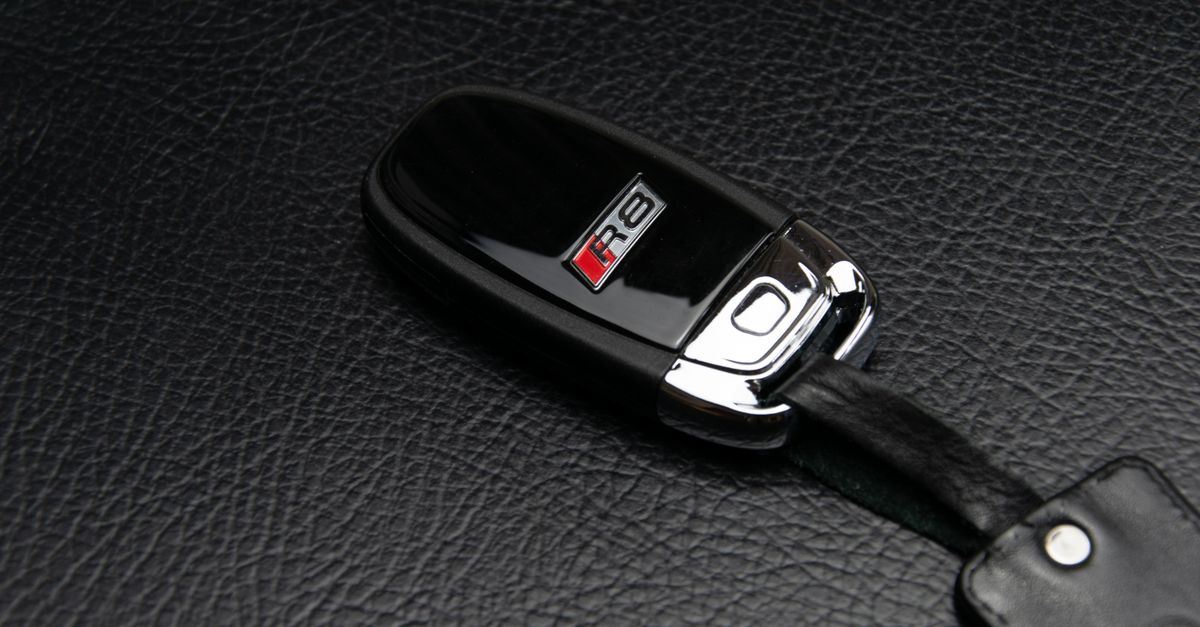
Audi Car Key Replacement: What the Technology Actually Involves
Every Audi sold in the U.S. since the late 1990s uses some form of transponder chip embedded in the key head. When you turn the ignition or press the start button, the vehicle's immobilizer system sends a radio-frequency challenge to that chip. If the chip does not respond with the correct rolling code, the engine will not start — full stop. This is not a flaw; it is a theft-deterrent system that works extremely well, and it means that a replacement key must be both mechanically cut to match your door and ignition lock AND electronically programmed to match your vehicle's immobilizer module. Buying a blank online and having a hardware store cut the blade will give you a key that opens the door but leaves you stranded the moment you try to start the car.
Newer Audi models — particularly anything running the MIB3 infotainment platform or using the Advanced Key proximity system — add another layer: the key fob communicates continuously with the vehicle, enabling passive entry and push-button start without ever removing the fob from your pocket. Programming these systems requires direct access to the OBD-II port, manufacturer-level key-coding software, and precise knowledge of the security seed-and-key exchange protocol specific to that model year. Our technicians are trained on exactly this equipment and carry it in the field, which is what makes genuine mobile Audi car key replacement possible — not just a blade cut, but a fully functional, fully authorized replacement made at your location.